Tryptophan, Turkey & The Science of Feeling Human Again
Dec 22, 2025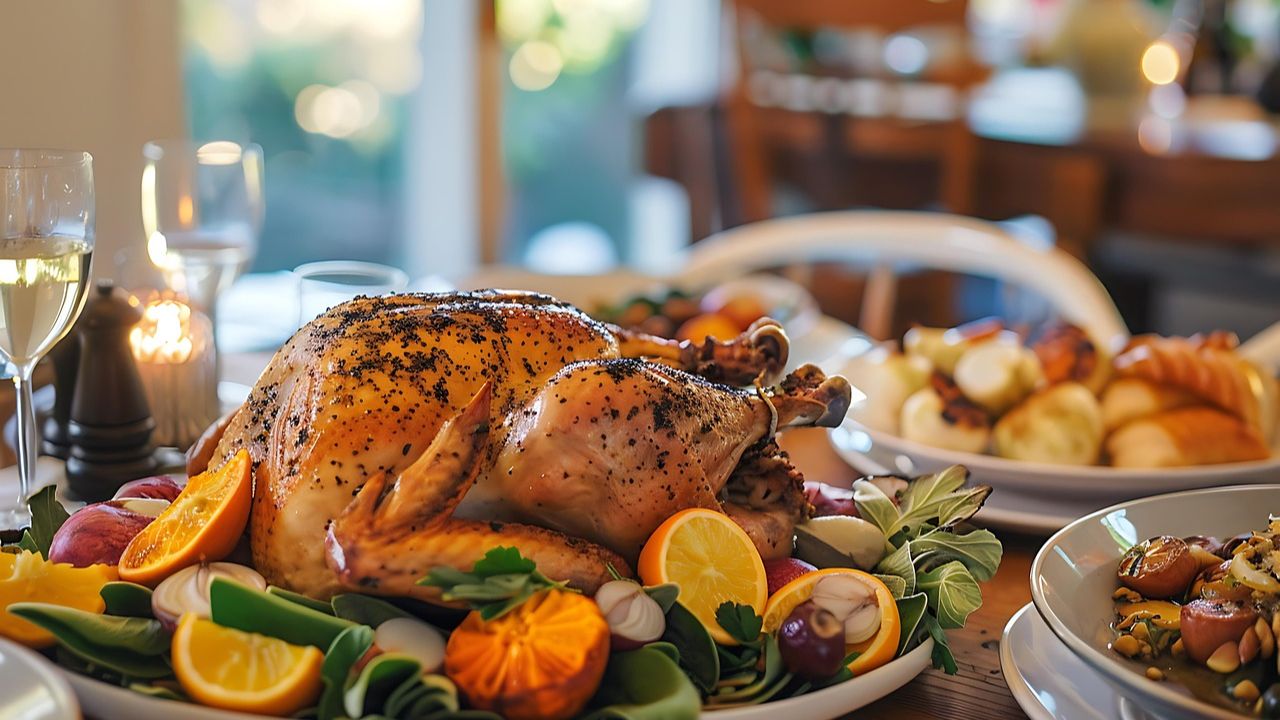
Tryptophan often gets reduced to a sleepy post-turkey punchline this time of year but it plays a far deeper, biologically significant role. Tryptophan is an essential amino acid and the biochemical precursor to serotonin, a neurotransmitter that influences everything from mood and motivation to immune response, digestion, stress reactivity, and even inflammation resolution.
What many people don’t realise is that tryptophan’s pathway, and what it becomes, depends entirely on your internal environment.
In a well-regulated system, tryptophan can be converted into serotonin, supporting emotional regulation, digestive rhythm, bonding, and a sense of inner calm. From there, it may go on to become melatonin, aiding sleep, circadian rhythm balance, and cellular repair. Tryptophan can also be metabolised by the gut microbiota into protective pathway that strengthens gut barrier integrity, supports immune tolerance, and promotes detoxification.
However, in a system under stress or inflammation, tryptophan is often diverted into the kynurenine pathway instead. This shift is triggered by inflammatory cytokines and results in the production of neurotoxic metabolites like quinolinic acid, associated with depression, fatigue, cognitive fog, and even neurodegenerative diseases such as Parkinson’s and Alzheimer’s.
So, is eating turkey good or bad? Yes most definitely, especially when supported by sunlight, a diverse microbiome, cruciferous vegetables, and minimal toxin exposure, then tryptophan metabolism tends to favour serotonin, melatonin, and the protective pathway.
This festive season, what you eat matters, but so does your internal terrain. The goal is not simply more tryptophan, but a physiology that knows what to do with it. Resilience isn’t built from nutrients alone; it’s built from the body’s ability to adapt, to perceive safety, and to regulate its own responses.
If you’re eating turkey this season, try pairing it with steamed broccoli, Brussels sprouts, or cabbage, these cruciferous vegetables help push tryptophan metabolism toward the protective pathway. Spend time in natural light, which supports serotonin-to-melatonin conversion. Make time for sensory connection, touch, conversation, even music, all of which help re-regulate the nervous system. And if you're dealing with inflammation, be cautious about supplementing isolated tryptophan, as it may be diverted down more inflammatory routes.
Inside the In-Sync Reset, we dive deep into how tryptophan, serotonin, the immune system, and nervous system interact. You'll learn how to move from chronic stress adaptation back into biological resilience using food, rhythm, and targeted science-based interventions.
We begin January 5th, and enrolment is now open.
Want to know more about In-Sync Reset
A step-by-step metabolic and nervous system reset that improves body composition, reduces inflammation, restores hormone balance, and builds long-term resilience. Includes weekly lessons, live coaching, and a supportive community.