The Vitamin We Lost
Sep 27, 2026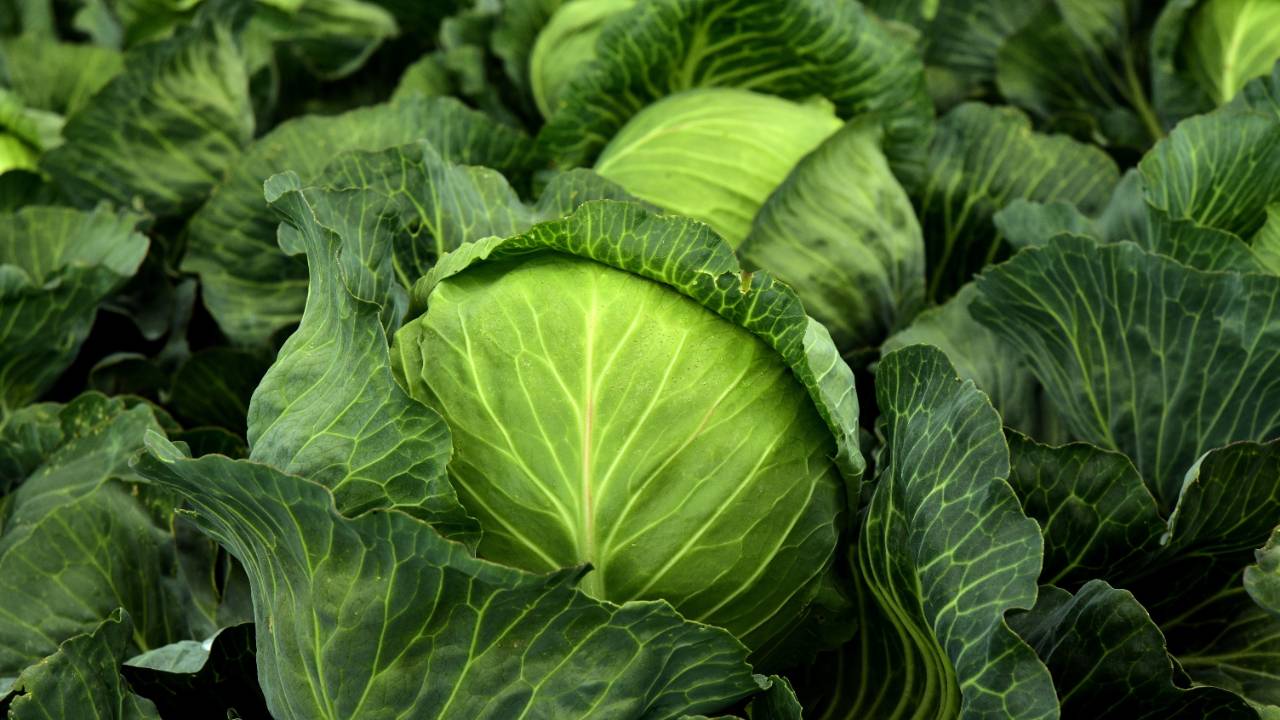
As the evenings draw in and summer comes to an end, many of us may be stocking up on vitamin C. Vitamin C is an essential nutrient, which means our bodies cannot make it and we need to get it from our diet. But this was not always the case.
A vitamin we lost
Around 60 million years ago, something unusual happened in the evolutionary story of our ancestors. We lost the ability to make our own vitamin C.
Unlike us, most animals can produce vitamin C themselves. They have a working gene called GULO, which makes the final enzyme needed to manufacture it. We still carry this gene in our DNA, but it is switched off. And humans aren't the only ones this has happened to. Guinea pigs, fruit bats and some birds have independently lost the same ability too. Evolution has arrived at this solution more than once.
Why would evolution allow this?
Our early primate ancestors lived mainly in tropical forests, surrounded by fruit, leaves and other foods rich in vitamin C. If vitamin C was plentiful in the environment, there was little evolutionary pressure to keep making it ourselves.
Another hypothesis suggests there may have been a further reason for this change. To make vitamin C, the body uses a substance called glucuronic acid, but it also needs glucuronic acid to help process and clear hormones, drugs and toxins. One possibility is that stopping vitamin C production freed up glucuronic acid for these other important jobs, including dealing with substances we encountered in our food.
Either way, vitamin C became something we had to eat, and we learned to use it wisely.
A seasonal nutrient
For most of human history, vitamin C intake rose and fell with the seasons. Estimates suggest our hunter-gatherer ancestors may at times have eaten considerably more than we do today, but always from whole plants, and never in the same amount every day.
Autumn has always been a time of plenty, and we can still see this today. Look at a British hedgerow in September and you will find rosehips, which are among the richest sources of vitamin C in nature, alongside blackberries and haws.
During the Second World War, when citrus imports stopped, British children were given rosehip syrup gathered from these same hedgerows. Two centuries earlier, the Scottish naval surgeon James Lind had shown that citrus could prevent scurvy among sailors, who had been starved of fresh food for months.
Vitamin C and the connective tissue
Vitamin C is needed to make and maintain collagen, the protein that gives structure to our gums, skin, blood vessels, cartilage and connective tissue.
When levels become too low, our body starts to show it. Our gums can swell and bleed easily, and bleeding gums when we brush our teeth can be a sign that we are low in vitamin C. Tiny red spots can appear on the skin, wounds take longer to heal, and fatigue and aching joints can develop. In severe deficiency, this becomes scurvy.
The orange isn't the champion
Cabbage, parsley, kale, broccoli, Brussels sprouts and red peppers are all excellent sources, and many contain more vitamin C than an orange. A varied diet gives us vitamin C alongside fibre, polyphenols, minerals and hundreds of other plant compounds that work together in the body. And don't overlook herbs. Parsley and rosemary are not just decoration on the side of a plate. They are concentrated plant foods with a long history in traditional diets.
When the body needs more
As we move into the season of coughs and colds, there is one situation where our need for vitamin C changes dramatically, and that is infection.
A 2020 review in the journal Nutrients, by Patrick Holford, Anitra Carr and colleagues, examined vitamin C in respiratory infections, sepsis and COVID-19. It highlights something striking. During infection, the body uses vitamin C at a remarkable rate. Immune cells such as neutrophils concentrate it far above the levels found in the blood and use it to function and to protect themselves from the oxidative stress of fighting a pathogen. As a result, vitamin C levels can fall sharply, and many people with pneumonia or sepsis turn out to be deficient.
The authors report that oral doses of 2 to 8 grams a day may reduce how often respiratory infections occur and how long they last. In hospital, intravenous doses of 6 to 24 grams a day were associated with lower mortality and shorter stays in intensive care. They recommend testing patients' vitamin C status and treating accordingly. This is still an evolving area and later trials have been mixed, but it shows clearly that the body's needs change with what it is facing.
Why more is not always better
Taking high doses every day is not the same as giving the body a challenge it can adapt to. Constantly supplying large amounts of antioxidants may reduce some of the oxidative signals that help activate our own antioxidant and repair systems. Used for short periods, however, extra vitamin C can be valuable when the body is under greater demand and needs additional support.
Vitamin C shows the principle of hormesis beautifully. Sometimes the goal is not to remove every bit of stress, but to allow the body to experience it, adapt and become stronger. The question is not simply how much vitamin C we can take, but when the body actually needs more.
Reference: Holford P, Carr AC, Jovic TH, et al. Vitamin C – An Adjunctive Therapy for Respiratory Infection, Sepsis and COVID-19. Nutrients. 2020;12(12):3760.
Want to know more about In-Sync Reset
A step-by-step metabolic and nervous system reset that improves body composition, reduces inflammation, restores hormone balance, and builds long-term resilience. Includes weekly lessons, live coaching, and a supportive community.