The Truth About Fats: What’s Healthy, What’s Not
Dec 14, 2025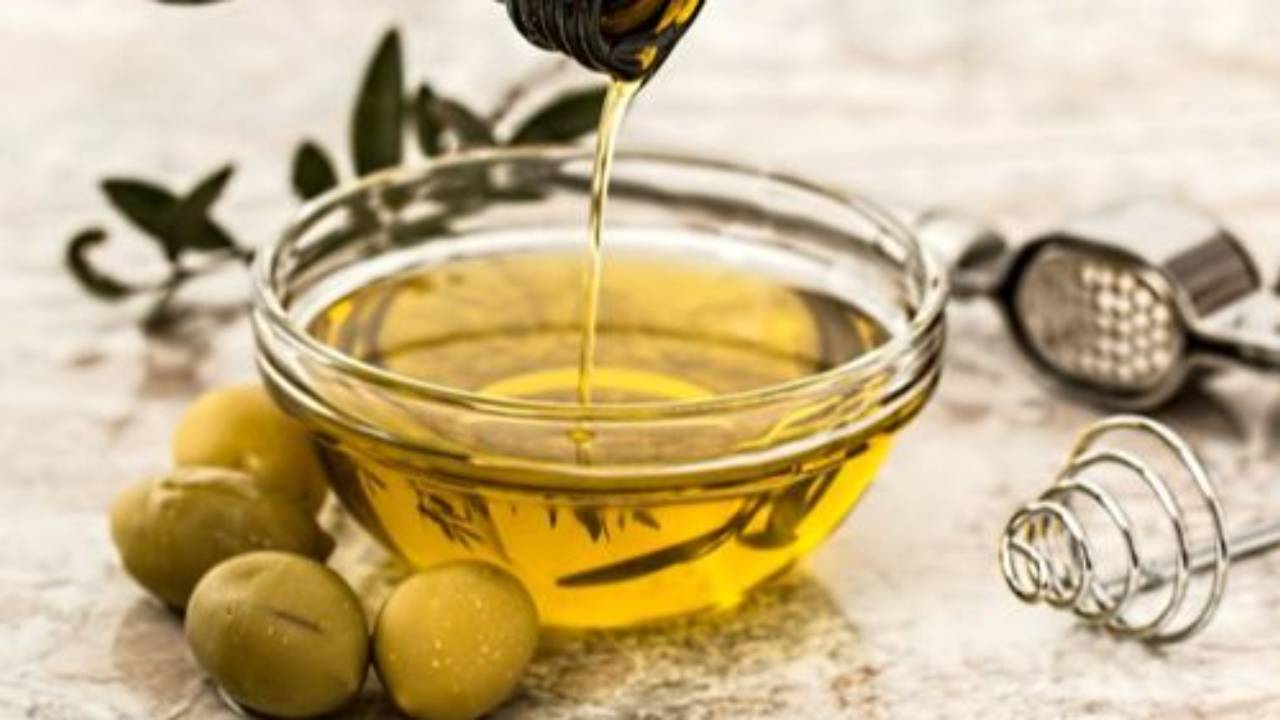
The Truth About Fats: What’s Healthy, What’s Not
Fats have been unfairly blamed for weight gain and disease for decades. But here’s the truth: you don’t get fat from eating fat—not even saturated fat. In fact, your body needs fat to thrive.
Let’s break down the good fats, the bad fats, and how to make smarter choices for your metabolism, hormones, brain, and heart.
The Healthy Fats You Should Be Eating
Saturated Fat
Often villainized, saturated fat is actually a natural, stable fat found in animal protein and some plants (like coconut). It’s a staple in ancestral diets and plays a key role in cell function, hormone production, and energy.
Sources: Grass-fed meat, poultry, eggs, coconut oil
Cholesterol
Cholesterol is essential for cell membranes, hormone production, and immune support. Your liver makes most of it naturally. Eating cholesterol-rich foods does not raise blood cholesterol in harmful ways.
Sources: Eggs, meat, fish, butter
Omega-3 Fatty Acids
These essential fats can’t be made by the body. Omega-3s are powerful anti-inflammatory agents and are critical for brain function, heart health, and mood regulation.
Sources: Oily fish (salmon, sardines, mackerel), algae oil
Omega-6 Fatty Acids (in moderation)
These are essential too, but too much can lead to inflammation. The modern Western diet is skewed towards high omega-6 and low omega-3, creating an imbalance that contributes to chronic disease.
Sources: Nuts and seeds (limit quantities, especially seed oils)
Omega-9 Fatty Acids
Oleic acid, a type of omega-9, is a heart-healthy, stable monounsaturated fat that resists oxidation. It helps reduce inflammation, blood pressure, and supports metabolic health.
Sources: Olive oil, avocados, olives
Omega-7 Fatty Acids
These lesser-known fats help regulate fat storage, support metabolic function, and may protect against obesity and diabetes.
Sources: Macadamia nuts, sea buckthorn oil or tea
The Fats You Should Avoid
Refined Vegetable Oils
Modern seed oils like canola, soy, corn, sunflower, and safflower are chemically processed and highly unstable. They oxidize easily, leading to free radical damage, inflammation, and hormonal disruption.
Avoid oils such as:
- Canola
- Soybean
- Corn
- Sunflower
- Safflower
- Peanut (a legume, not a nut)
Hydrogenated and Trans Fats
These are artificial fats created by forcing hydrogen into vegetable oils to make them solid (like margarine). Trans fats raise bad cholesterol, lower good cholesterol, and increase risk for heart disease and metabolic issues.
Common culprits include:
- Margarine
- Processed snacks and ready meals
- Commercial salad dressings
- Baked goods (cakes, cookies, pastries)
- Fried foods (chips, crisps, fast food)
Final Thoughts: Balance & Ancestral Wisdom
When it comes to fat, quality matters more than quantity. Return to whole, natural sources of fat that your body recognizes and can use efficiently. This is how we evolved to eat and how we function best.
Want to know more about In-Sync Reset
A step-by-step metabolic and nervous system reset that improves body composition, reduces inflammation, restores hormone balance, and builds long-term resilience. Includes weekly lessons, live coaching, and a supportive community.